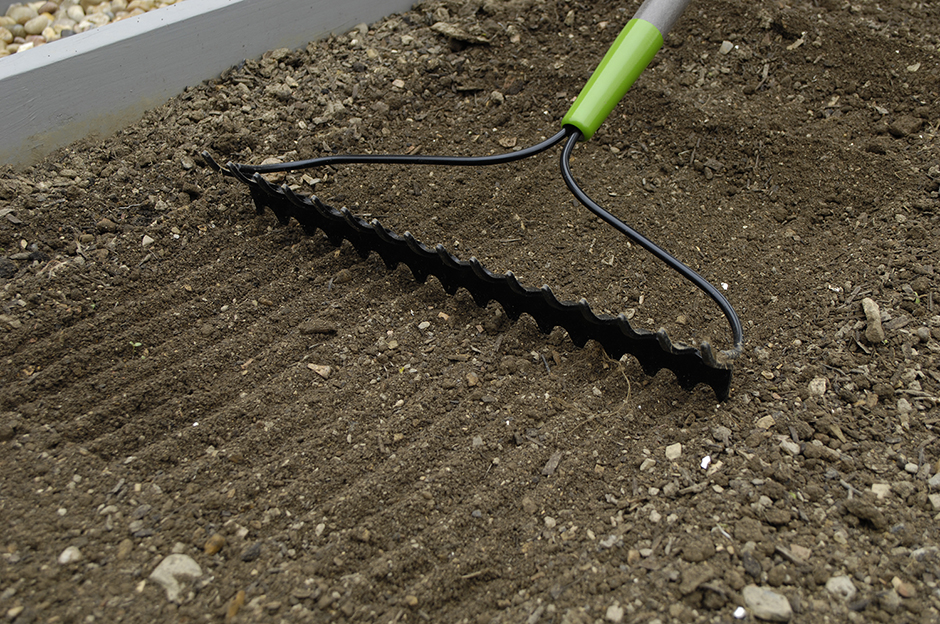
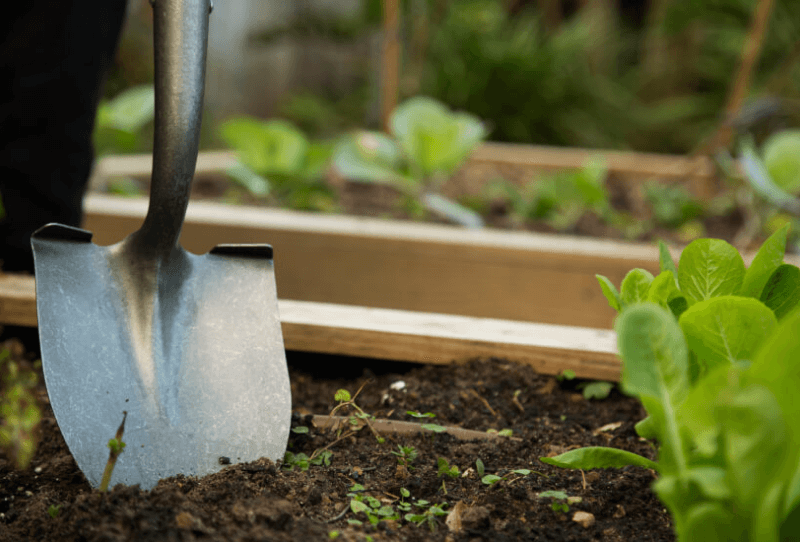
digging in a raised garden bed
Once August hits, is it too late or too early to start a vegetable or flower garden? Gardening experts say “no.” You just have to carefully select and nurture your late summer plants. Which ones will do well in this season? Think hardy vegetables and a few vibrant flowers. Read on to dig deeper.
Late Summer Plants
Unless you live in a tropical climate, the plants you choose to cultivate as fall approaches need to be able to withstand at least a light frost – or they need to mature quickly.
A light frost usually indicates temperatures in the low 30s Fahrenheit, while a hard frost means under 32 degrees Fahrenheit.
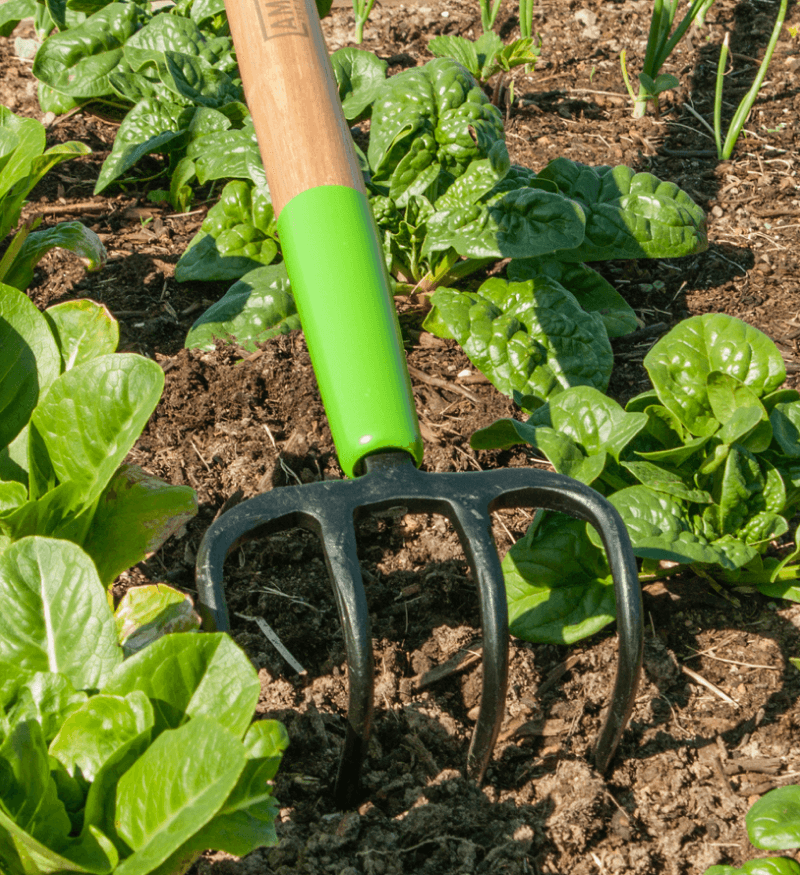
Spinach can tolerate a light frost, so it’s a good late summer crop.
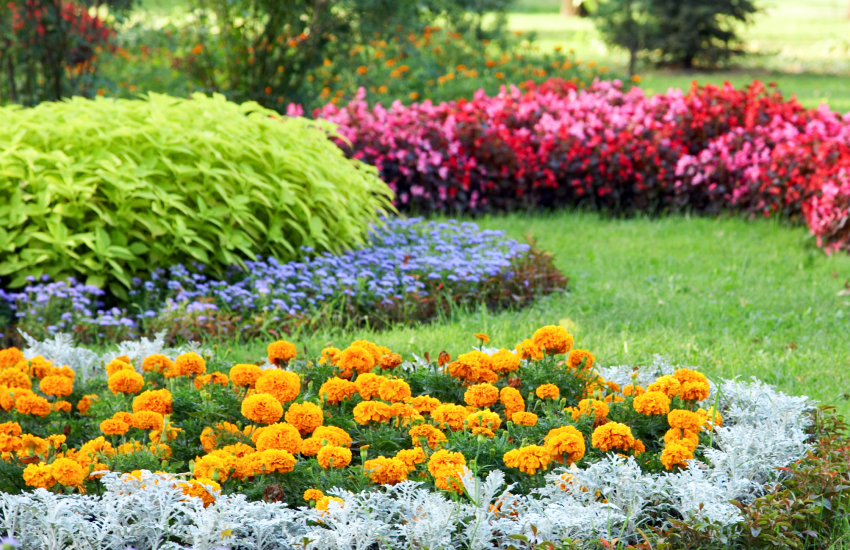
Luckily, leafy greens like kale and arugula and veggies such as cabbage and broccoli not only make healthy side dishes, they also flourish in late summer. So do colorful flowers, including hibiscus, daylilies and black-eyed susans. Get your vases ready or simply admire the blooms in your garden.
Planting Tips
To give your vegetables and flowers the best chance to survive, follow these expert recommendations:
Plant Early: Believe it or not, summer seedlings often take more time to reach maturity than what it says on the seed packet. Less sunlight per day and cooling air temperatures affect growth. Allow a couple of additional weeks for your plants to grow to their full potential. On the flip side, remove anything that’s dying and add it to your compost pile.
Water Carefully: Like Goldilocks, your late-summer plantings are particular about their living conditions, especially when it comes to water. Too much will cause young seedlings to decompose, while too little will stunt their growth. You need to get it just right. Moist soil is the goal until your seedlings have reached two inches in height. After that, you can water less often.
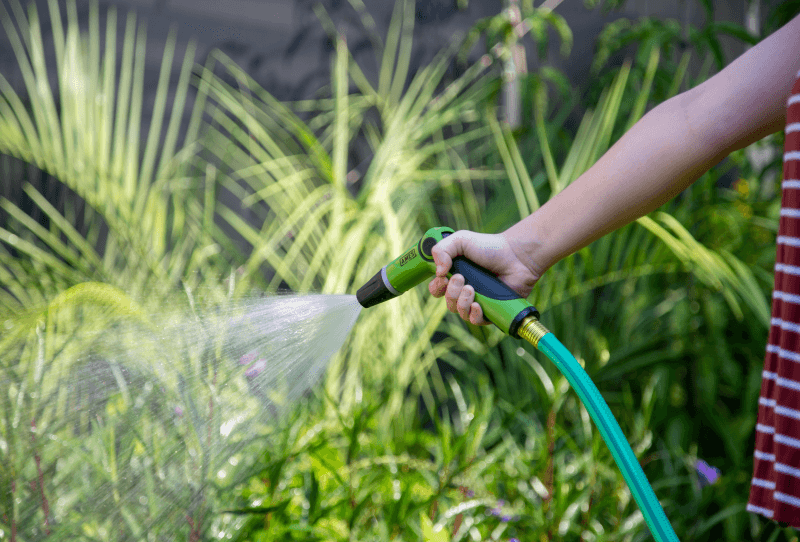
Newly planted seeds need consistent watering. Use a lighter spray mode once the sprouts have emerged. Pictured: Jet Garden Hose Nozzle Sprayer
Protect Against the Elements: During this shoulder season, the weather shifts from too hot to too cool. To prevent the soil from surpassing 80 degrees Fahrenheit in the summer, cover your plants with shade netting. Proper watering also helps. Once the days start to become brisker, monitor your local forecast for frosty temperatures. Be prepared to take action, such as erecting a small tent of burlap or plastic to keep your plants warmer overnight.
For advice tailored to your area’s climate, consult with a local Master Gardener. You can also ask what plants will do best in your yard, what fertilizer to use and any other specific questions you may have.
By choosing the right plants and taking the correct precautions, you can enjoy a late summer garden, even as fall sets in.
Get ready to plant